
Cooking at home is one of the best ways to enjoy healthy, flavorful meals while saving money. However, even experienced home cooks make mistakes in the kitchen from time to time. Small cooking errors can affect the texture, flavor, and overall quality of your dishes.
The good news is that most common cooking mistakes are easy to fix once you know what to watch for. Whether you're a beginner or someone who cooks regularly, understanding these mistakes can help you improve your cooking skills and make every meal taste better. Below are some of the most frequent cooking mistakes people make and simple ways to fix them.
1. Not Preheating the Pan Properly
One of the most common kitchen mistakes is adding ingredients to a pan before it’s properly heated. When the pan is not hot enough, food tends to stick to the surface and cooks unevenly. This can especially affect foods like chicken, fish, or vegetables that need a quick sear.
How to Fix It
Always give your pan time to heat before adding oil or ingredients. A properly heated pan helps create a golden crust on meats and prevents food from sticking. As a general rule, heat the pan for about 1–2 minutes before cooking.
2. Overcrowding the Pan
Many home cooks try to cook too much food at once to save time. Unfortunately, overcrowding the pan lowers the temperature and causes food to steam rather than brown. This results in soggy vegetables and meat that lacks flavor.
How to Fix It
Cook in smaller batches when necessary. Giving ingredients enough space allows heat to circulate properly and helps food develop a better texture and flavor.

3. Using Too Much or Too Little Salt
Salt plays a critical role in bringing out the natural flavors of food. However, adding too much salt can overpower a dish, while too little salt can make it taste bland and flat.
How to Fix It
Season food gradually as you cook rather than adding all the salt at once. Tasting your dish throughout the cooking process helps you maintain the perfect balance of flavor.
Advertisement
4. Overcooking Vegetables
Vegetables are often overcooked, which causes them to lose their bright color, crisp texture, and valuable nutrients. Overcooked vegetables can become mushy and less appealing.
How to Fix It
Cook vegetables until they are tender but still slightly crisp. Methods like sautéing, roasting, or steaming help maintain both flavor and texture. Paying attention to cooking time can make a big difference.
5. Not Reading the Recipe Before Cooking
Starting a recipe without reading all the steps first can lead to mistakes such as missing ingredients, incorrect timing, or improper preparation.
How to Fix It
Always read the recipe from beginning to end before starting. This allows you to understand the process and prepare ingredients in advance. Many chefs call this “mise en place,” which means having everything ready before cooking.
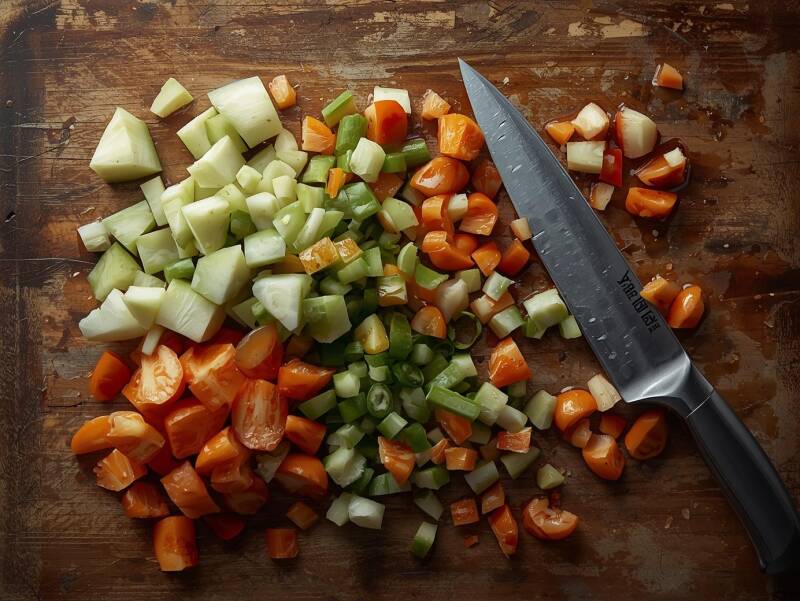
6. Cutting Ingredients Unevenly
When ingredients are cut into different sizes, they cook at different speeds. Smaller pieces may burn while larger pieces remain undercooked.
How to Fix It
Try to cut vegetables and meats into similar-sized pieces so they cook evenly. This small step can improve both the appearance and consistency of your meals.
Advertisement
7. Not Letting Meat Rest After Cooking
Cutting into meat immediately after cooking causes the juices to escape, which can leave the meat dry and less flavorful.
How to Fix It
Allow meat to rest for about 5 to 10 minutes after cooking. This helps the juices redistribute throughout the meat, resulting in a juicier and more tender dish.

8. Cooking at the Wrong Temperature
Cooking at a temperature that is too high can burn food on the outside while leaving the inside undercooked. On the other hand, cooking at too low a temperature can make food soggy or take too long to cook.
How to Fix It
Pay attention to heat levels and adjust them as needed. Medium heat works well for most everyday cooking, while higher heat is better for searing and lower heat is ideal for slow cooking.
9. Skipping Taste Tests
Many people wait until the end of the cooking process to taste their food. This can make it difficult to correct seasoning mistakes.
How to Fix It
Taste your food at different stages of cooking. This allows you to adjust seasoning, spices, or acidity before the dish is finished.

10. Using Old or Low-Quality Ingredients
Ingredients like old spices, stale herbs, or poor-quality oils can make food taste dull and lifeless. Fresh ingredients play a major role in the final flavor of a dish.
How to Fix It
Use fresh produce, herbs, and spices whenever possible. Replace spices that have been sitting in your pantry for too long, as they tend to lose their flavor over time.
Final Thoughts
Cooking mistakes are part of the learning process, and every cook makes them occasionally. The key is to understand what went wrong and learn how to fix it. By avoiding these common cooking mistakes, you can improve your skills, boost your confidence in the kitchen, and create more delicious meals at home.
Remember, great cooking comes with practice. The more you cook and experiment, the better your results will be.
Advertisement
Add comment
Comments