
Gel nails can look flawless when they're freshly done, but lifting—where the gel separates from the natural nail—is one of the most common problems people encounter. The good news is that lifting usually has a specific cause, and once you identify it, it's often easy to prevent.
Common Reasons Gel Nails Lift
1. Inadequate Nail Preparation
Proper prep is the foundation of a long-lasting gel manicure.
What causes lifting:
- Natural oils left on the nail plate
- Moisture on the nails
- Cuticle residue remaining on the nail surface
- Insufficient buffing of the nail plate
How to fix it:
- Thoroughly push back and remove cuticle buildup.
- Clean nails with a nail dehydrator or alcohol.
- Lightly buff the shine off the natural nail.
- Avoid touching the nail surface after prep.

2. Gel Touching the Skin or Cuticle
When gel floods the cuticle or sidewalls, it can create a weak point that starts peeling almost immediately.
What causes lifting:
- Applying too much product
- Not leaving a small gap around the cuticle area
How to fix it:
- Leave a tiny margin (about 0.5–1 mm) between the gel and the skin.
- Clean up any accidental flooding before curing.
- Apply thinner, more controlled layers.
Advertisement
3. Improper Curing
Gel must cure completely to achieve maximum adhesion and durability.
What causes lifting:
- Weak or aging lamp bulbs
- Using a lamp incompatible with the gel brand
- Not curing for the recommended time
How to fix it:
- Follow the manufacturer's curing instructions.
- Replace aging lamps when needed.
- Ensure fingers are positioned correctly under the lamp.
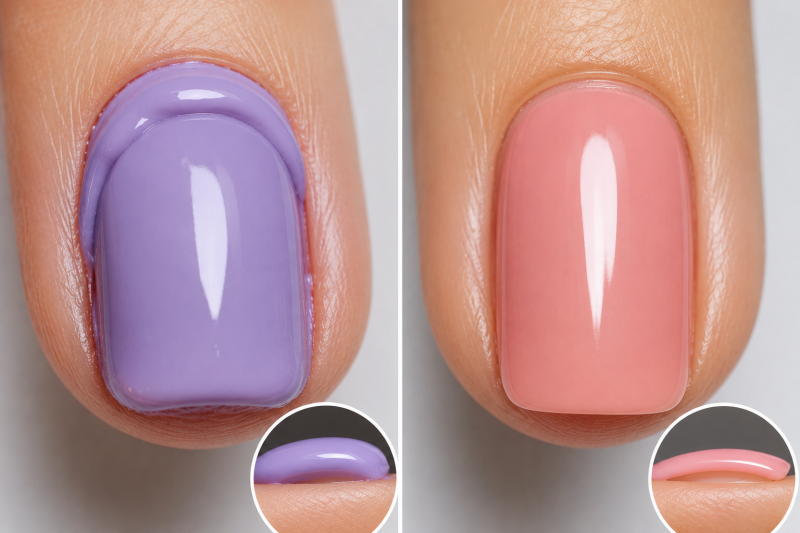
4. Applying Layers That Are Too Thick
Thick gel layers may not cure evenly and are more likely to separate from the nail.
How to fix it:
- Apply multiple thin coats instead of one thick coat.
- Cure each layer fully before applying the next.
5. Skipping Primer or Base Coat
Some nail types naturally produce more oil and need extra adhesion support.
How to fix it:
- Use the recommended primer and base coat system.
- Match products from the same brand when possible.
Advertisement
6. Natural Nail Flexibility
If your natural nails bend a lot, rigid gel products may struggle to stay attached.
How to fix it:
- Consider a rubber base or builder gel designed for flexible nails.
- Keep nails at a manageable length.
7. Daily Wear and Tear
Even perfectly applied gel can lift if subjected to repeated stress.
Common culprits:
- Using nails as tools
- Excessive water exposure
- Harsh cleaning chemicals
How to fix it:
- Wear gloves while cleaning.
- Avoid picking at labels, cans, or packaging with your nails.
- Apply cuticle oil daily to maintain nail health.

Signs You Should Remove Lifting Gel
If lifting has already started, avoid gluing it back down or picking at it.
Remove or professionally repair the gel if:
- A pocket of air has formed underneath.
- Dirt or moisture is trapped beneath the product.
- The lifting extends beyond a small corner.
Leaving lifted gel in place can increase the risk of nail damage or infection.
Quick Checklist for Better Retention
- Remove cuticle residue thoroughly
- Dehydrate and cleanse the nail plate
- Apply thin layers
- Keep gel off the skin
- Cure properly with a quality lamp
- Use primer/base coat if needed
- Protect nails from excessive water and chemicals
Advertisement
Add comment
Comments