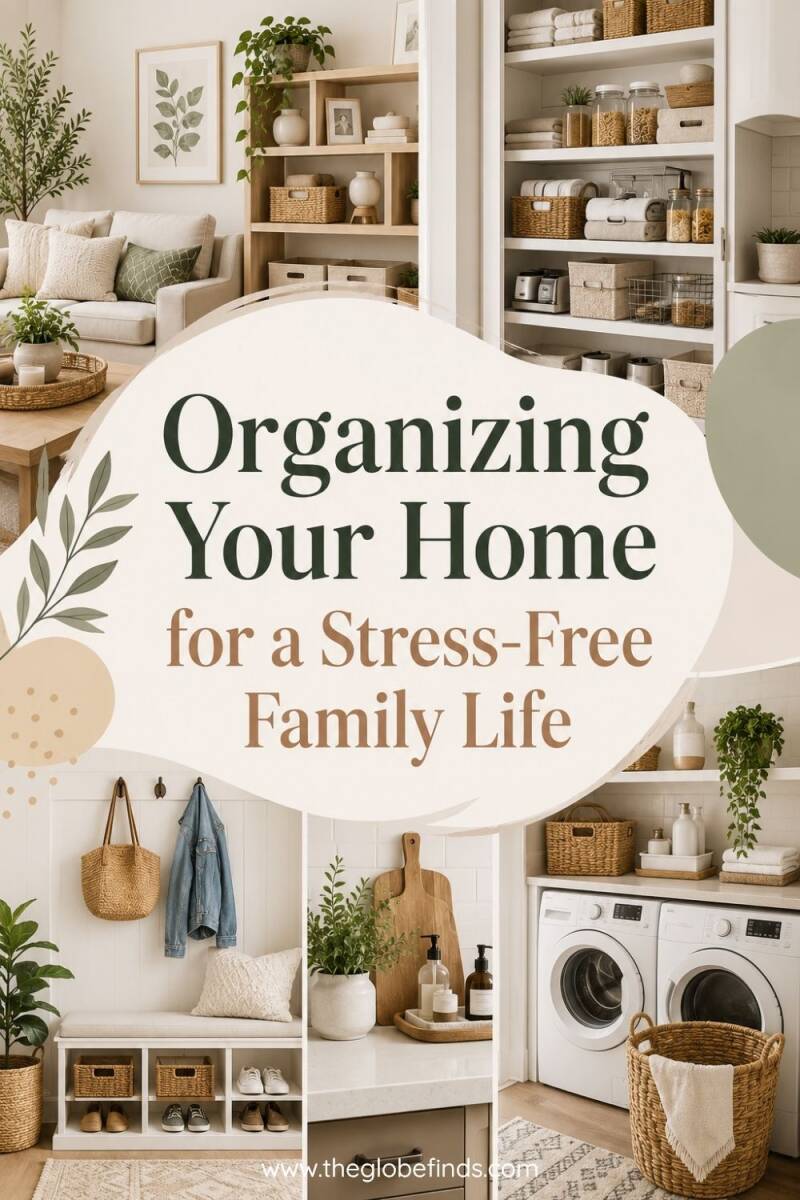
A busy family home is full of love, laughter, and activity—but it can also become cluttered and chaotic if things aren't organized. Toys pile up in the living room, laundry seems endless and finding everyday essentials can feel like a treasure hunt. Sound familiar?
The good news is that creating an organized home doesn't mean striving for perfection or living in a magazine-worthy house. It's about designing a space that works for your family's lifestyle, reduces stress and makes everyday routines easier.
Whether you're managing young children, teenagers or a multi-generational household, a few simple organization habits can make your home feel calmer, cleaner and more enjoyable for everyone.
Disclosure: Some of the links on this page are affiliate links. This means that if you click on a link and make a purchase, we may earn a small commission at no additional cost to you. Any commissions earned help support this website and allow us to continue creating free, helpful content. Thank you for your support! Full disclosure here.
Why Home Organization Matters
An organized home does more than look nice—it creates an environment where families can thrive.
Benefits of an organized home include:
- Reduces daily stress and frustration.
- Saves time by making items easier to find.
- Makes cleaning quicker and more manageable.
- Encourages children to develop responsibility.
- Creates a more relaxing and welcoming atmosphere.
- Improves focus when working or studying from home.
Remember, organization isn't about having less—it's about making better use of what you already have.
1. Start by Decluttering
Before organizing anything, remove items your family no longer uses or needs. Go room by room and sort everything into four categories:
- Keep
- Donate
- Sell
- Recycle or Dispose
Ask yourself:
- Have we used this in the last year?
- Does it still serve a purpose?
- Is it broken or damaged?
- Does it bring value to our home?
Decluttering creates more space and makes organizing much easier.
2. Create a Place for Everything
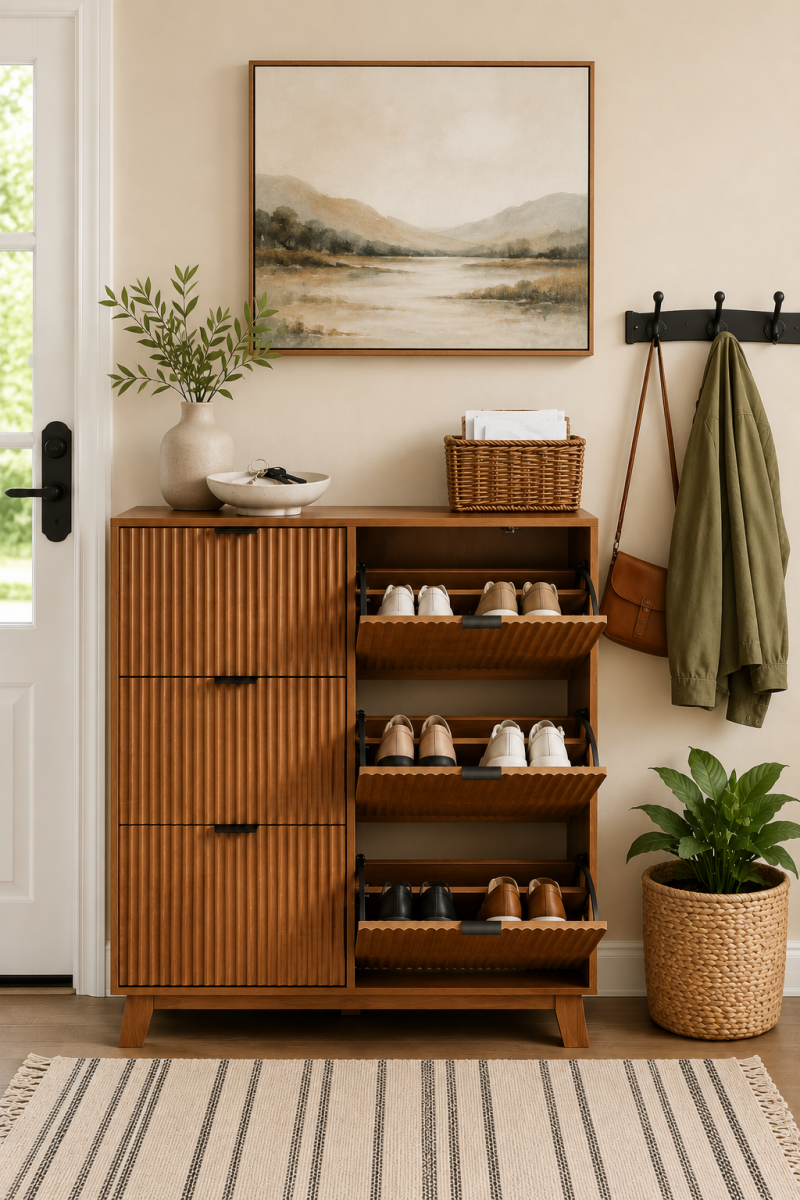
One of the easiest ways to reduce clutter is by giving every item a designated home. Examples include:
- Keys in a decorative bowl near the entrance.
- Backpacks on wall hooks.
- Shoes in a shoe rack.
- Chargers in labeled baskets.
- Toys stored in bins by category.
When everyone knows where things belong, tidying up becomes much faster.
Advertisement
3. Organize One Room at a Time
Trying to organize the entire house in one weekend can feel overwhelming. Instead, focus on one area at a time.
Start with:
- Kitchen
- Living room
- Bathroom
- Bedrooms
- Laundry room
- Garage
Completing one room provides motivation before moving to the next.

4. Maximize Storage Space
Even small homes can feel spacious with smart storage solutions. Consider using:
- Under-bed storage containers.
- Stackable storage bins.
- Floating shelves.
- Drawer organizers.
- Over-the-door organizers.
- Storage benches.
- Decorative baskets.
Vertical storage helps keep floors clear while maximizing available space.
5. Create Family Drop Zones
Busy families often struggle with clutter around entryways.
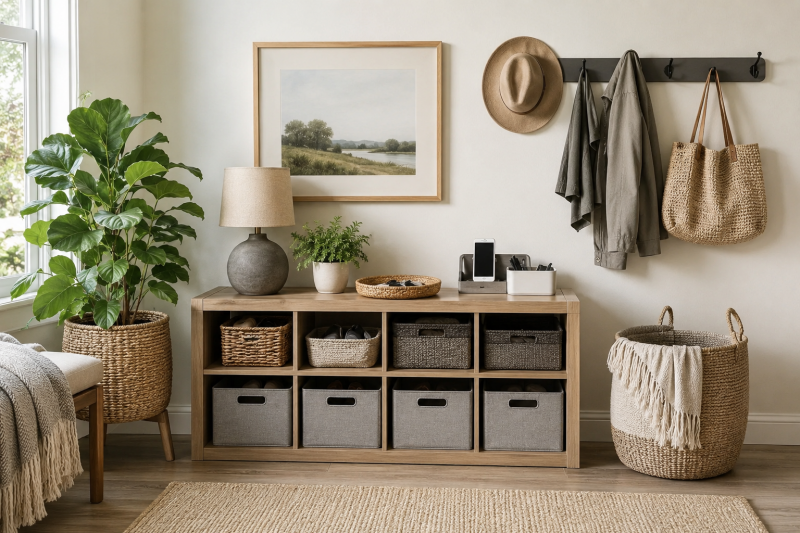
Set up a family command center near the front door with:
- Hooks for coats and backpacks.
- Shoe storage.
- Mail organizer.
- Calendar.
- Charging station.
- Basket for keys and wallets.
This simple setup helps prevent clutter from spreading throughout the house.

6. Keep the Kitchen Organized
The kitchen is often the busiest room in the home.
Simple organization tips include:
- Store similar items together.
- Label pantry containers.
- Rotate food before expiration dates.
- Keep everyday dishes within easy reach.
- Use drawer dividers for utensils.
A well-organized kitchen makes meal preparation faster and more enjoyable.
Advertisement
7. Organize Kids' Toys
Children don't need hundreds of toys available all at once. Try toy rotation:
- Store some toys away.
- Rotate them every few weeks.
- Donate toys your children have outgrown.
Use labeled bins for categories like:
- Building blocks
- Dolls
- Cars
- Art supplies
- Puzzles
- Books
Children are also more likely to clean up when storage is simple and accessible.
8. Simplify Your Closets
Overstuffed closets create unnecessary stress every morning. Keep only clothing that:
- Fits well.
- Is worn regularly.
- Is in good condition.
Group clothing by:
- Season
- Color
- Type
Matching hangers instantly create a cleaner, more organized appearance.

9. Create a Weekly Cleaning Routine
Organization becomes easier when cleaning is done consistently. Example schedule:
Monday: Laundry
Tuesday: Bathrooms
Wednesday: Vacuum and mop
Thursday: Bedrooms
Friday: Kitchen deep clean
Saturday: Family organization day
Sunday: Relax and prepare for the week
Breaking tasks into smaller daily jobs prevents overwhelming weekend cleaning sessions.
10. Involve the Entire Family
Keeping a home organized shouldn't fall on one person's shoulders. Assign age-appropriate responsibilities. Young children can:
- Put away toys.
- Feed pets.
- Make their beds.
Older children can:
- Vacuum.
- Empty the dishwasher.
- Fold laundry.
- Take out the trash.
Working together teaches responsibility while reducing everyone's workload.
11. Reduce Paper Clutter
Paper can quickly overwhelm countertops and desks. Create a filing system for:
- School papers
- Medical records
- Bills
- Receipts
- Important documents
Digitize paperwork whenever possible to reduce physical storage.

12. Organize Your Digital Life
A cluttered digital space can feel just as stressful as a messy home. Take time to:
- Delete unused apps.
- Organize computer files.
- Back up important photos.
- Unsubscribe from unwanted emails.
- Create folders for important documents.
Digital organization saves time and reduces frustration.
13. Make Organization a Daily Habit
The secret to an organized home isn't spending hours cleaning—it's creating small daily habits. Try the 10-minute tidy-up each evening.
Set a timer and have the whole family:
- Return items to their proper places.
- Wipe kitchen counters.
- Fold blankets.
- Empty trash bins if needed.
Small daily efforts prevent clutter from building up.
Advertisement
Common Organization Mistakes to Avoid
Even with the best intentions, it's easy to fall into habits that create more clutter. Avoid these common mistakes:
- Buying storage bins before decluttering.
- Keeping items "just in case."
- Trying to organize the whole house in one day.
- Ignoring paperwork until it piles up.
- Forgetting to label storage containers.
- Not involving the rest of the family.
- Purchasing duplicate items because you can't find what you already own.
Easy Organization Habits That Save Time
Simple habits can make a big difference over time:
- Make your bed every morning.
- Put items away immediately after use.
- Do one load of laundry each day.
- Empty the dishwasher every morning.
- Clean as you cook.
- Sort mail as soon as it arrives.
- Spend five minutes decluttering before bed.
These small routines help maintain an organized home without requiring hours of cleaning.
Final Thoughts
A stress-free home isn't about perfection—it's about creating a space where your family can relax, connect, and enjoy everyday life. By decluttering, establishing simple routines and involving everyone in the household, you can transform your home into a place that supports your family's well-being.
Remember, organization is a journey, not a one-time project. Start with one room, build small habits and celebrate your progress along the way. Over time, these simple changes will create a calmer, happier home where everyone can thrive.
The goal isn't to have a perfect house—it's to create a home filled with peace, functionality and joyful family memories.
Advertisement
Add comment
Comments