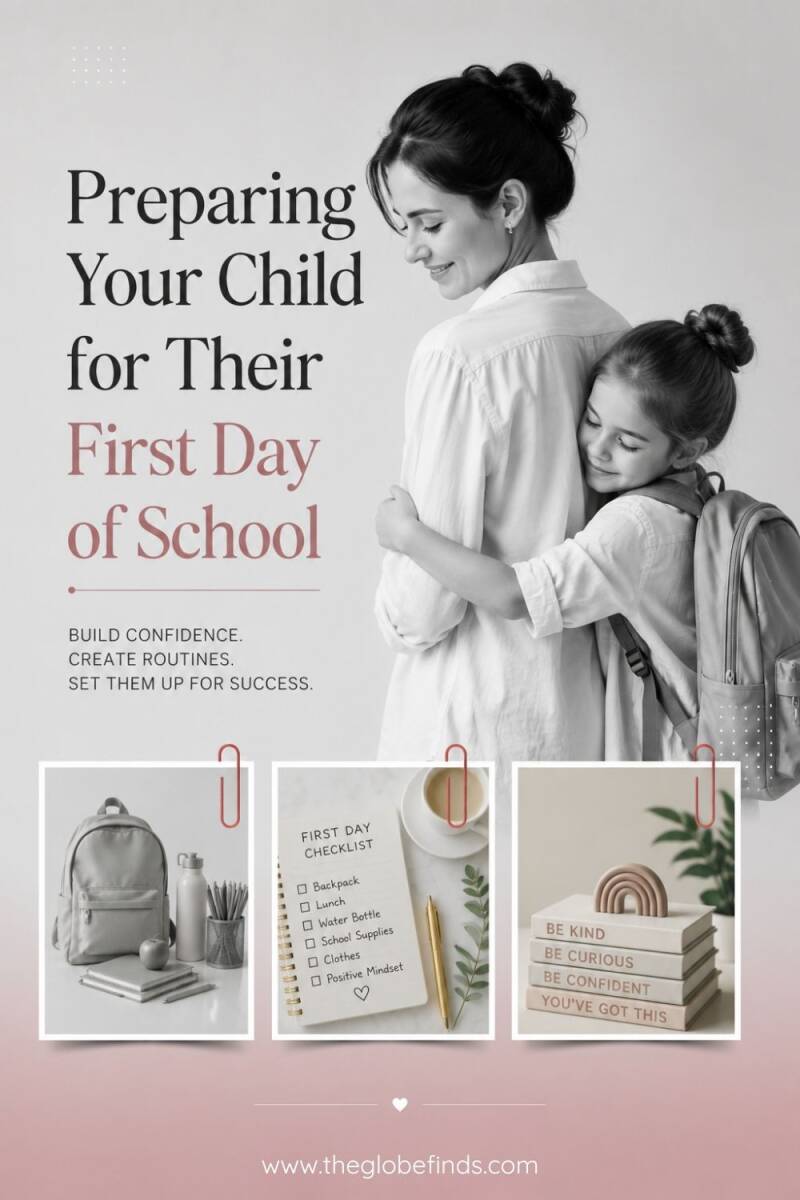
The first day of school is a major milestone for both children and parents. Whether your child is starting preschool, kindergarten or elementary school, this new chapter brings excitement, curiosity and sometimes a little nervousness. New teachers, new classmates and unfamiliar routines can feel overwhelming, but with the right preparation, you can help your child begin their school journey with confidence.
Preparing for the first day of school isn't just about buying supplies and packing a backpack. It also means helping your child develop a positive attitude, build independence and feel emotionally ready for the changes ahead. With thoughtful planning and encouragement, you can make the transition smoother and create a positive experience they'll remember.
Disclosure: This post may contain affiliate links. If you click on a link and make a purchase we may earn a small commission at no additional cost to you. Thank you for supporting this website and helping us continue to create free content. Full disclosure here.
Why Preparing Early Matters
Children thrive on routine and familiarity. When they know what to expect, they often feel more secure and confident. Preparing ahead of time helps reduce anxiety while giving children the opportunity to adjust gradually to new schedules and responsibilities.
It also allows parents to identify any concerns before the first day arrives, whether it's separation, anxiety, nervousness about making friends or adjusting to an earlier bedtime. The more prepared your child feels, the more excited they are likely to be about starting school.
1. Talk Positively About School
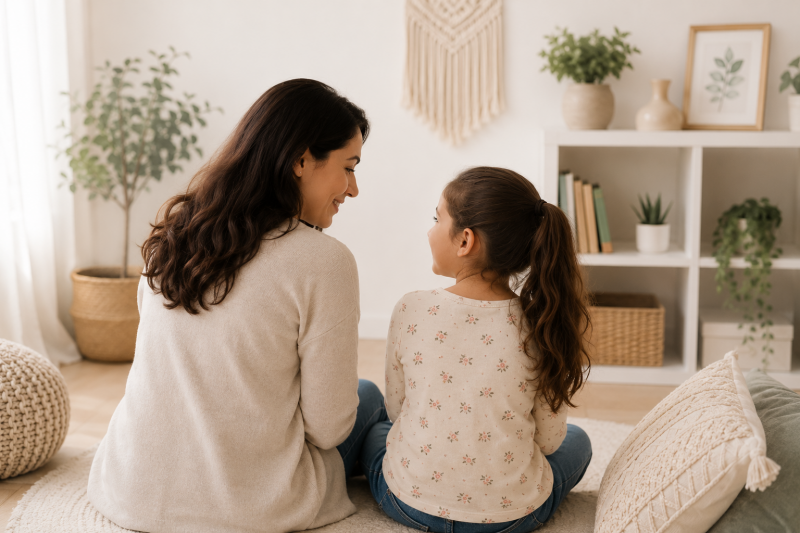
One of the easiest ways to prepare your child is by talking positively about school. Your attitude greatly influences how your child feels about this new experience.
Share stories about your own school memories and explain all the exciting things they will get to do, such as making new friends, learning fun activities, reading books, creating art and playing outside.
Avoid saying things that might make school sound scary such as "You have to behave or your teacher will be upset." Instead focus on the positive experiences waiting for them. The goal is to build excitement rather than fear.
2. Visit the School Before the First Day
If possible take your child to visit the school before classes begin. Walking around the campus helps make the environment feel familiar instead of intimidating. Show them:
- Their classroom
- The playground
- The cafeteria
- The school entrance
- Restrooms
- Pick up and drop off areas
Many schools also offer orientation days, where children can meet their teacher and explore the classroom. Seeing these spaces beforehand can significantly reduce first-day anxiety.
Advertisement
3. Establish a School Routine Early
Children adjust more easily when routines change gradually. About one or two weeks before school starts, begin following the schedule you'll use during the school year. Set consistent bedtimes, wake-up times, meal times and quiet times.
Practice getting dressed, eating breakfast, brushing teeth and packing a backpack each morning.
By the time school begins, these routines will already feel familiar. making mornings much less stressful.
4. Shop for School Supplies Together
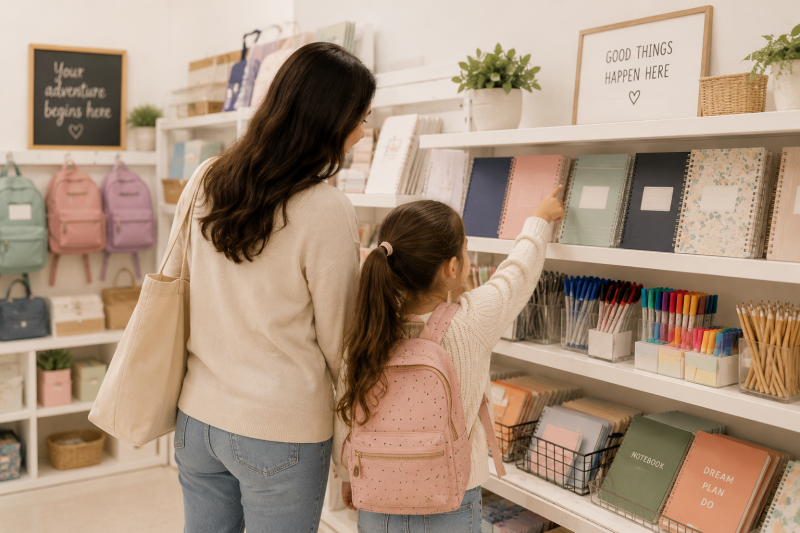
Shopping for school supplies can make children feel excited about starting school. Let your child help choose items like:
Giving children choices helps them feel involved and creates excitement about using their new supplies.
When you return home, allow them to organize everything into their backpack so they become familiar with their belongings.
Advertisement
5. Encourage Independence
School is often the first time children begin completing simple tasks on their own. Practice everyday skills like:
- Putting on shoes
- Zipping jackets
- Washing hands
- Opening lunch containers
- Packing their backpack
- Hanging up their coat
These small skills build confidence and help children feel capable in their new environment.
Rather than doing everything for them, encourage them to try independently, while offering gentle support when needed.
6. Read Books About Starting School
Children often learn best through stories. Reading books about the first day of school helps children understand what to expect, while reassuring them that feeling nervous is completely normal.
Choose age-appropriate books that feature positive school experiences, friendship and learning. After reading, ask questions about the story and encourage your child to share how they feel. Stories often help children express emotions they may not know how to explain themselves.
7. Practice Social Skills
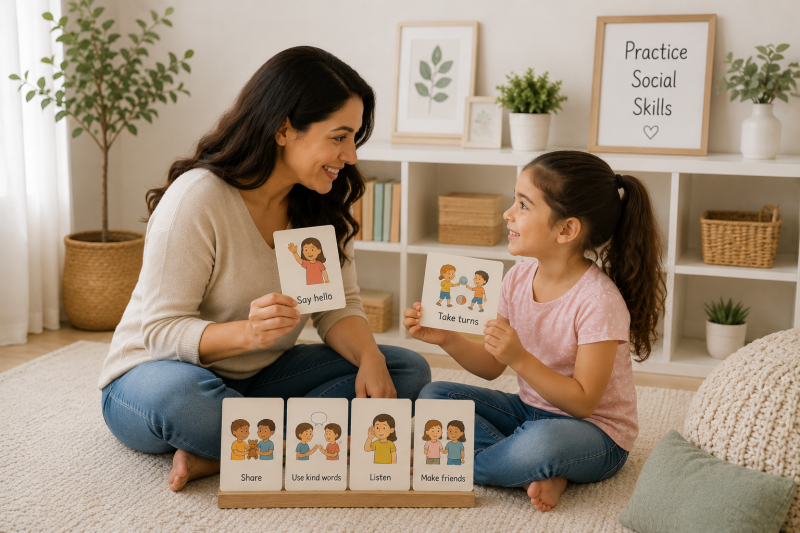
Making new friends is one of the biggest concerns for many children. Before school begins, practice simple social interactions together.
Teach your child how to:
- Introduce themselves
- Say hello
- Ask someone to play
- Share toys
- Take turns
- Use kind words
Role-playing different situations at home helps children feel more confident when meeting classmates for the first time.
8. Prepare a Healthy Lunch Together
If your child will be bringing lunch to school, involve them in planning and preparing it. Ask them to help choose healthy options like:
- Fresh fruit
- Sandwiches
- Cheese
- Yogurt
- Crackers
- Vegetables
- Water
Practice opening lunch containers at home so they won't struggle during lunchtime at school. When children help prepare their meals, they are often more willing to eat them.
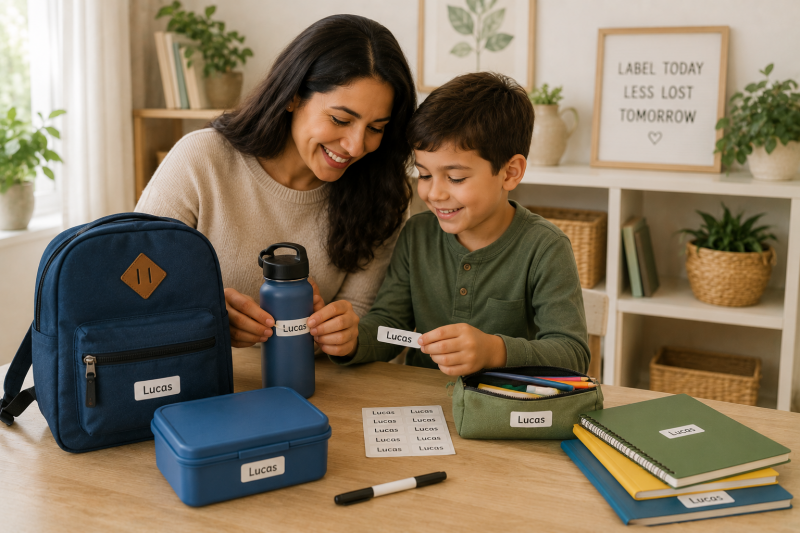
9. Label Everything
Young children can easily misplace their belongings, especially during the first few weeks of school. Label important items including:
- Backpack
- Lunch box
- Water bottle
- Sweater
- Jacket
- Shoes
- Pencil case
Using waterproof name labels or permanent markers makes it much easier for lost items to find their way back home.
10. Prepare for Emotional Goodbyes
Even confident children may feel emotional on the first morning. Keep goodbyes short warm and reassuring.
Give your child a hug, tell them you'll see them after school and leave confidently. Long emotional, farewells can sometimes increase anxiety rather than reduce it.
Remind your child that feeling nervous is normal and that their teacher will be there to help them.
Most children settle into the classroom within a few minutes after parents leave.
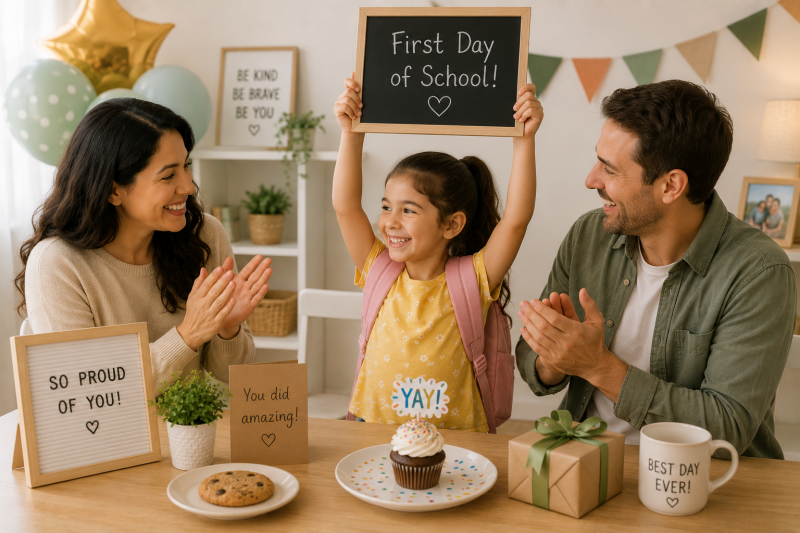
11. Celebrate the First Day
Make the first day feel like a special achievement. Take a first-day photo before leaving home and ask your child about their favorite part of the day when they return. You might celebrate with:
- Their favorite dinner
- Ice cream
- A family movie night
- A walk to the park
Celebrating helps build positive memories and gives children something fun to look forward to after school.
Common First Day Challenges
Every child adjusts differently and it's perfectly normal to experience a few bumps along the way. Some common challenges include:
- Separation anxiety
- Shyness
- Difficulty making friends
- Tiredness after school
- Changes in appetite
- Feeling overwhelmed by new routines
Be patient and continue offering reassurance. Most children become comfortable within the first few weeks.
Advertisement
Tips for Parents
Starting school can be emotional for parents too. Try to remain calm and confident because children often take emotional cues from adults.
Remember to:
- Stay positive.
- Be patient.
- Listen without judgment.
- Encourage rather than pressure.
- Celebrate small successes.
- Communicate with your child's teacher when needed.
Building a strong partnership with your child's teacher creates a supportive environment that benefits everyone.
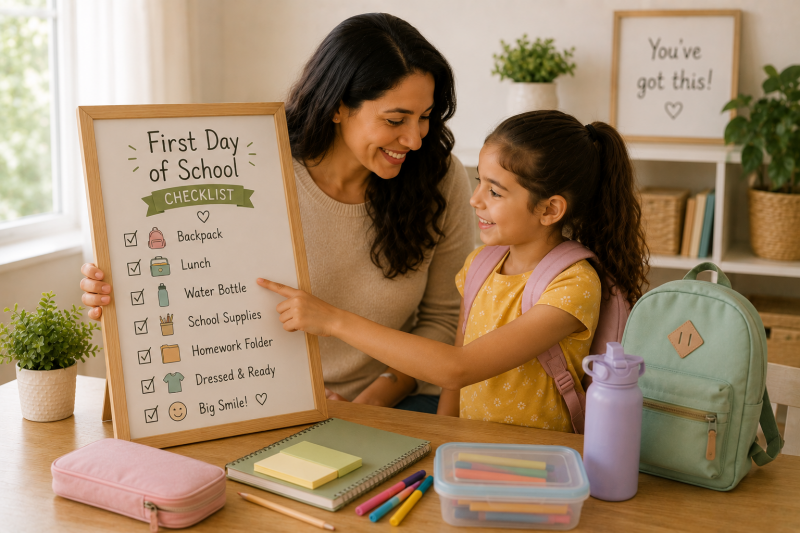
First Day of School Checklist
Before leaving home make sure you have:
- Backpack packed
- Lunch prepared
- Water bottle filled
- School supplies ready
- Comfortable clothes
- Completed school paperwork
- Emergency contact information
- Plenty of time to arrive without rushing
Preparing everything the night before helps create a calm and organized morning.
Final Thoughts
The first day of school marks the beginning of an exciting new adventure, filled with learning friendships and personal growth. While it's natural for both children and parents to feel a little nervous, thoughtful preparation can make the transition much easier.
By creating positive routines, encouraging independence and offering plenty of reassurance, you can help your child walk into the classroom with confidence and excitement. Remember that every child adjusts at their own pace and your patience, encouragement and support will make all the difference as they begin this important milestone.
Shop From Our Amazon Storefront
Get everything your child needs for a successful school year in one convenient place. We've carefully selected our favorite back-to-school essentials including backpacks, lunch boxes, school supplies, water bottles, organizers, labels, classroom must-haves and more.
Shop our Amazon Storefront to discover practical, parent-approved products that help make school mornings easier and keep kids organized all year long. Happy shopping
Advertisement
Add comment
Comments