Disclosure :This post contains affiliate links. We may earn a commission from qualifying purchases made through these links, at no extra cost to you. Full disclosure here.
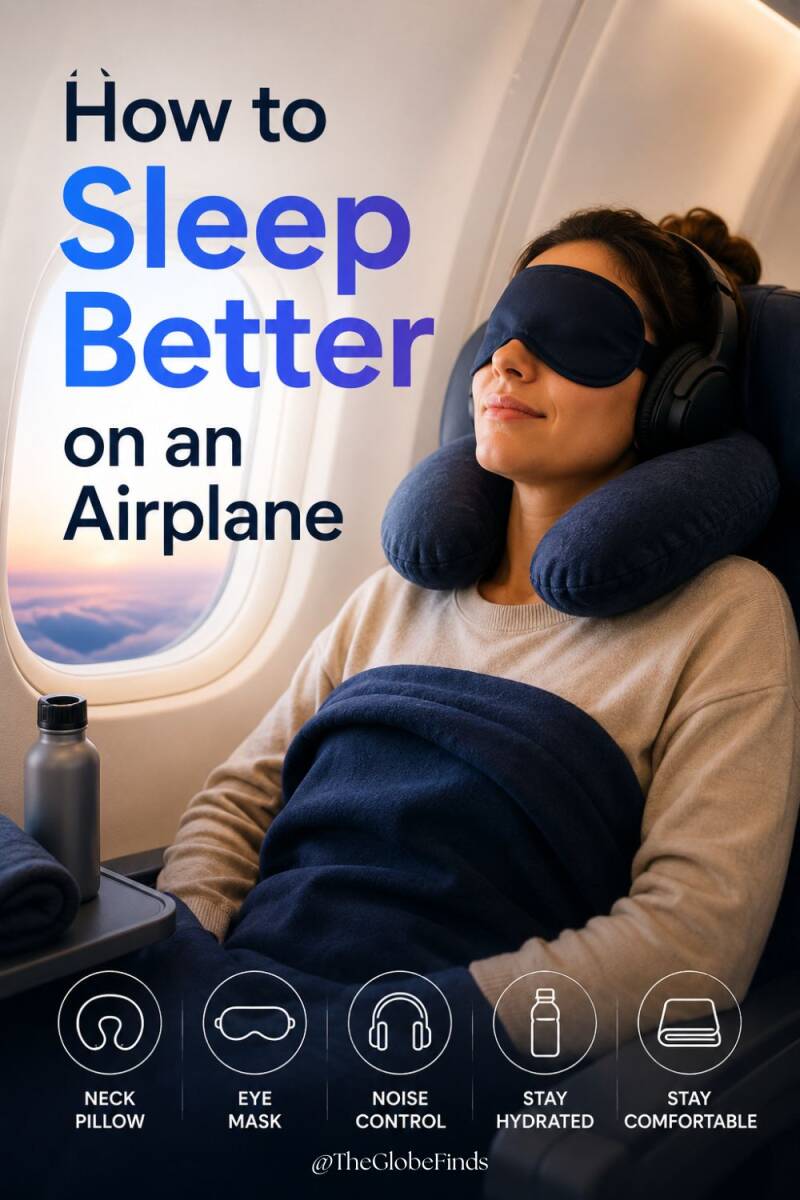
Long flights can be exhausting, but getting quality sleep on an airplane isn't always easy. Between cramped seats, cabin noise, and constant interruptions, many travelers arrive at their destination feeling more tired than when they boarded.
The good news? A few simple strategies can dramatically improve your chances of getting restful sleep in the air.
1. Choose the Right Seat
Your seat can make or break your ability to sleep.
Best seats for sleeping:
-
Window seats
-
Seats away from bathrooms
-
Rows with less foot traffic
A window seat gives you something to lean against and reduces disturbances from passengers getting up.
2. Dress for Comfort
Forget fashion—comfort wins on long flights.
Wear:
-
Loose-fitting clothing
-
Soft layers
-
Comfortable socks
-
Lightweight hoodie or sweater
Airplane cabins can become surprisingly cold during overnight flights.
3. Bring a Neck Pillow
A supportive travel pillow helps prevent neck strain and makes it easier to stay asleep.
Memory foam and wrap-around travel pillows are popular options for long-haul flights.
4. Use an Eye Mask
Cabin lights, reading screens, and sunlight can interfere with sleep.
A quality eye mask helps create a dark environment, even in a bright cabin.
5. Block Out Noise
Airplanes are filled with sounds that can interrupt sleep.
Consider:
-
White noise apps
Reducing cabin noise can significantly improve sleep quality.
6. Stay Hydrated
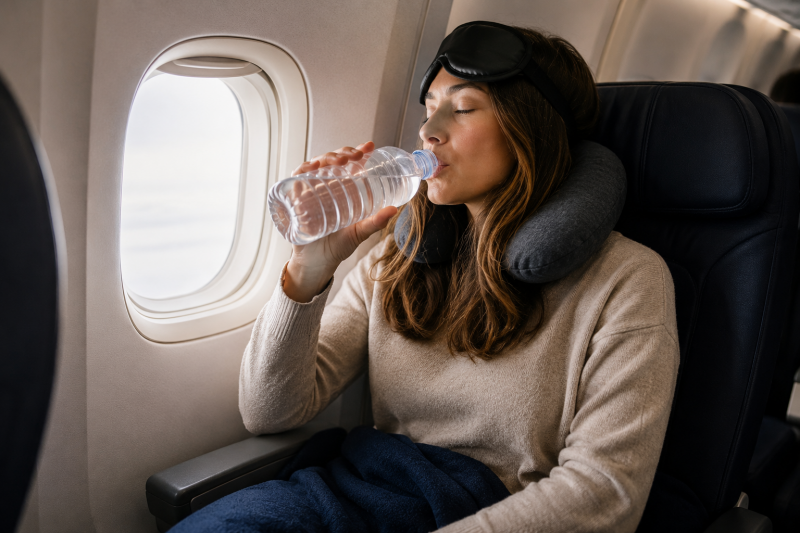
Cabin air is extremely dry, which can leave you feeling tired and uncomfortable.
Drink water regularly throughout the flight and avoid excessive alcohol.
7. Avoid Too Much Caffeine
Coffee, energy drinks, and caffeinated sodas may keep you awake longer than expected.
If you're planning to sleep, limit caffeine several hours before departure.

8. Adjust to Your Destination's Time Zone
For international travel, try syncing your sleep schedule with your destination. If it's nighttime where you're going, attempt to sleep during the flight.
Your body will thank you later.
9. Bring a Light Blanket or Travel Scarf
Even when airlines provide blankets, they may not be warm enough. A compact travel blanket or oversized scarf can help you stay comfortable throughout the flight.
10. Avoid Heavy Meals Before Sleeping
Large meals can make it harder to fall asleep and may cause discomfort while seated for long periods. Choose lighter meals and snacks when possible.
11. Create a Sleep Routine
A simple routine can signal to your body that it's time to rest. Try:
-
Brushing your teeth
-
Putting on an eye mask
-
Listening to calming music
-
Lowering screen brightness
These small habits can help prepare your mind for sleep.
12. Don't Stress About Sleeping
Ironically, worrying about sleep often makes it harder to fall asleep.
Even if you don't sleep deeply, resting with your eyes closed can still help reduce fatigue.
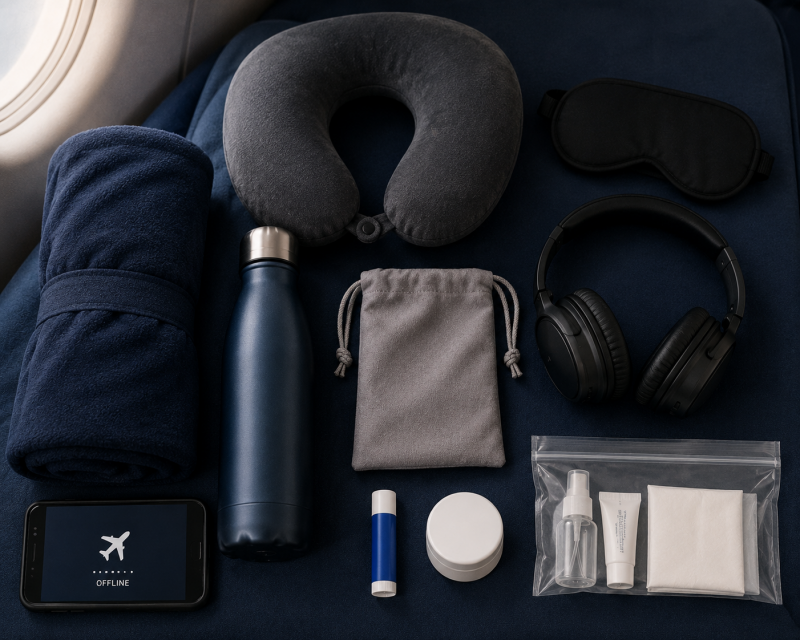
The Airplane Sleep Kit Checklist
✔ Neck pillow
✔ Eye mask
✔ Noise-canceling headphones or earplugs
✔ Water bottle
✔ Light blanket or scarf
✔ Lip balm
✔ Moisturizer
✔ Downloaded music or podcasts
Quick Tip
The best combination for sleeping on a plane: Window seat + neck pillow + eye mask + noise-canceling headphones.
These four items alone can dramatically improve your chances of getting quality rest.
Final Thoughts
Sleeping on an airplane may never feel exactly like sleeping in your own bed, but it doesn't have to be miserable. By preparing ahead of time and creating a comfortable sleep environment, you can arrive feeling refreshed, energized, and ready to enjoy your trip.
The goal isn't perfect sleep—it's arriving at your destination feeling your best.
Advertisement
Add comment
Comments