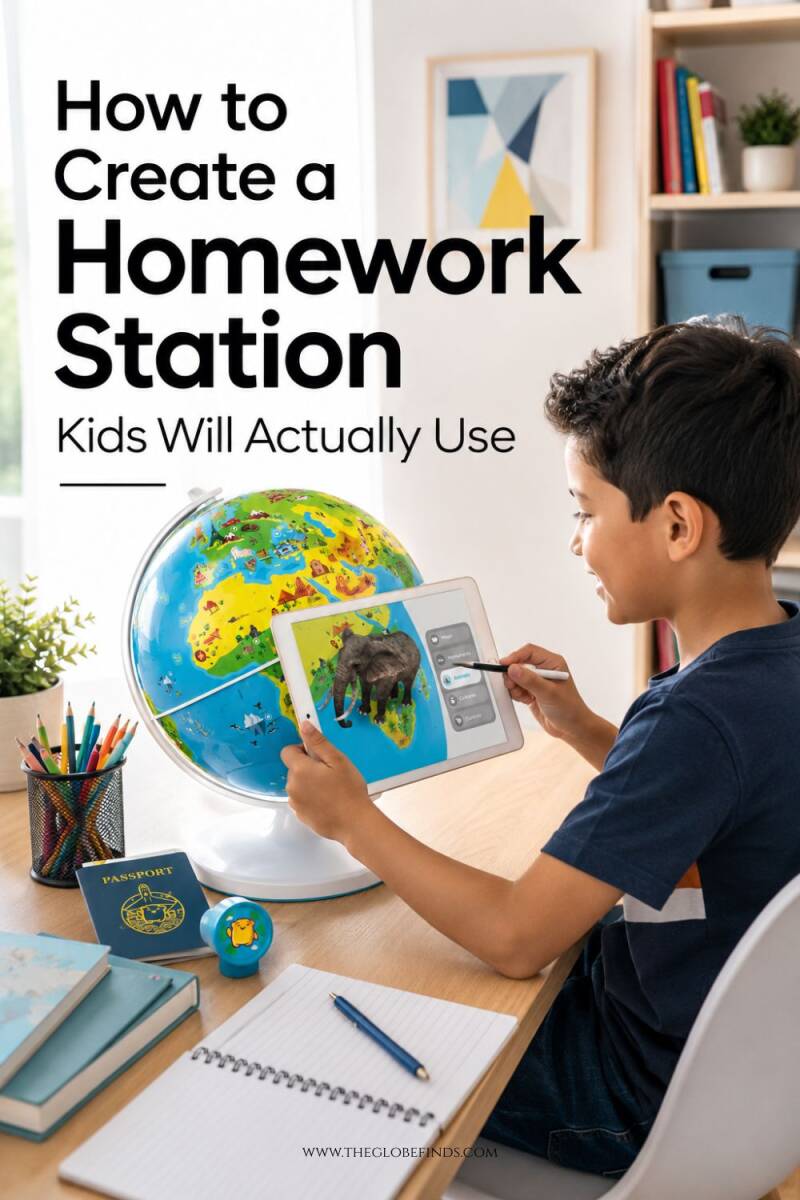
A homework station doesn't have to be expensive, elaborate or Pinterest-perfect. What matters most is creating a comfortable, organized space where kids know where to sit, where to find their supplies and where to put everything away when they're finished.
The right setup can make homework feel less overwhelming while also helping children develop better organization and study habits.
Affiliate Disclosure: This post contains affiliate links. I only share products and recommendations that I believe may be useful to my readers. Thank you for supporting the blog through your purchases! Full disclosure here.
1. Choose the Right Spot
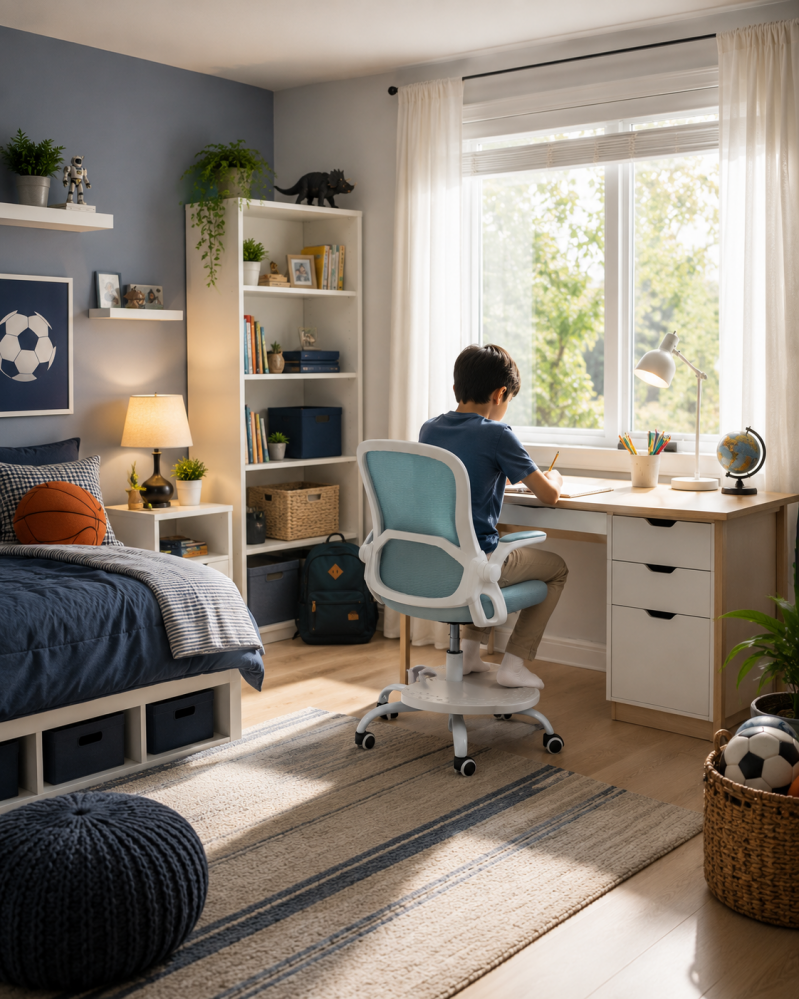
Start with a location that is relatively quiet and has enough room for your child to work comfortably. It doesn't have to be a separate study room— a small corner of a bedroom, living room or family space can work just as well.
Natural light is ideal during the day, while a good desk lamp can provide additional lighting in the evening.
2. Pick a Comfortable Chair
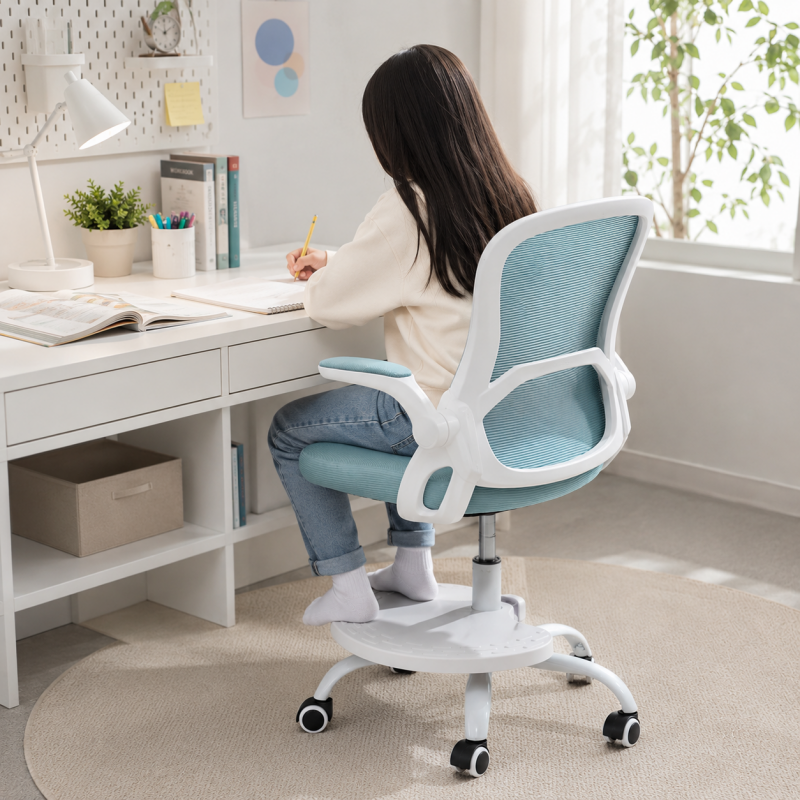
A chair that is the right size for your child can make a surprisingly big difference. They should be able to sit comfortably with their feet supported and have enough room to move without feeling cramped.
If the chair is uncomfortable, homework can quickly become something they want to avoid.
3. Keep the Desk Simple
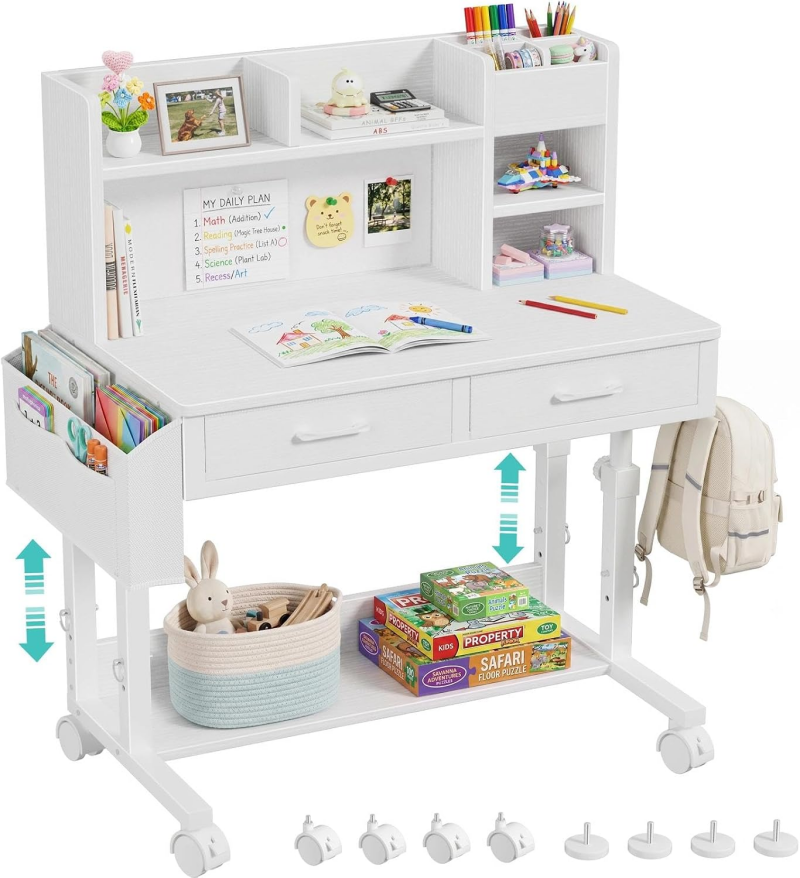
Kids need enough space to open a notebook, read a book or work on a worksheet without constantly moving things around.
Try not to cover the entire surface with supplies and decorations. A clean workspace can make it easier to concentrate and gives your child room to actually do their work.
4. Create an Easy-to-Reach Supply Station
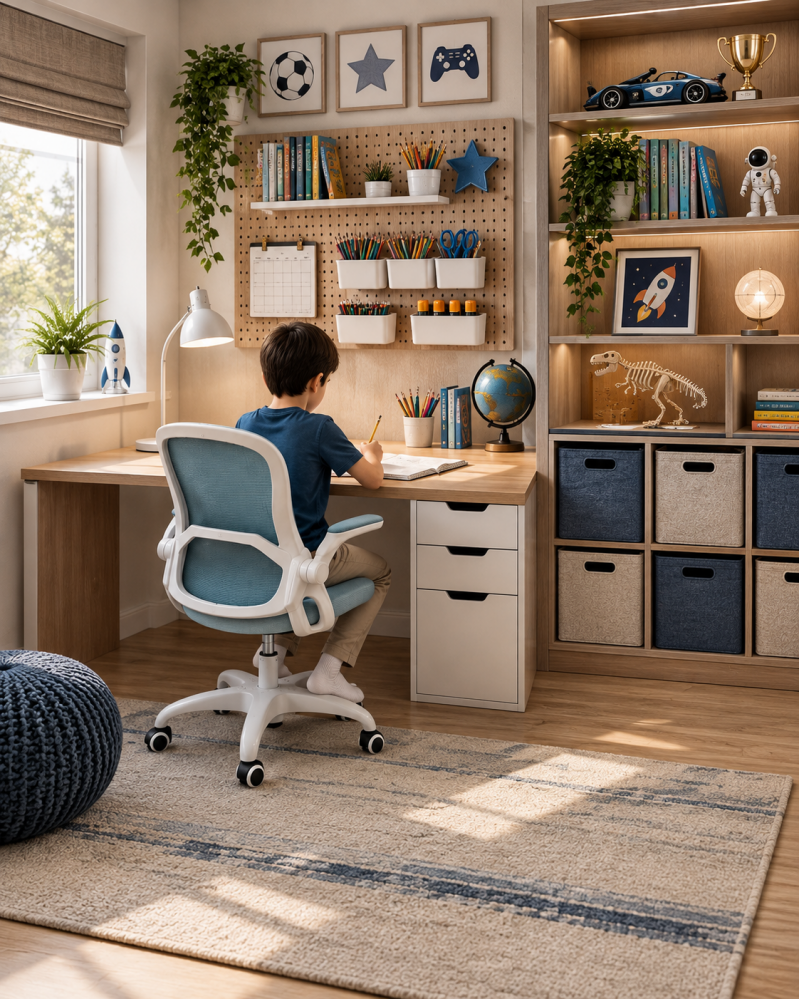
Keep frequently used supplies close by rather than storing everything in a drawer across the room. A small organizer or pencil holder can hold essentials such as:
- Pencils and pens
- Erasers
- Rulers
- Scissors
- Glue sticks
- Colored pencils
- Markers
- Highlighters
The key is making the system simple enough that your child can put things back without your help.
5. Add a Weekly Homework Planner
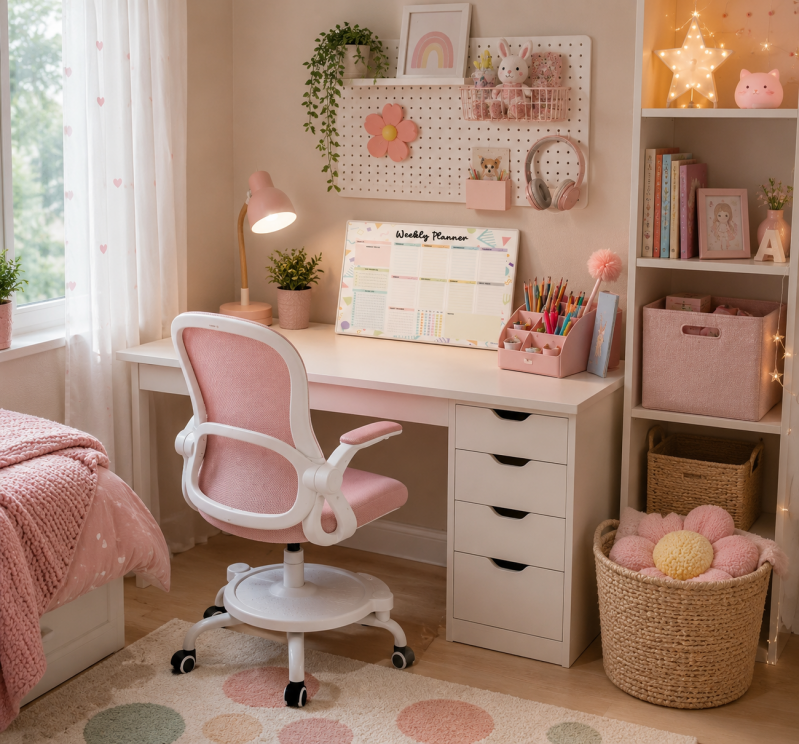
A weekly planner can help children see their assignments at a glance. Encourage them to write down homework, upcoming tests, projects, and other school reminders.
For younger children, you can help them create the routine at first. Over time, the goal is for them to check the planner and understand what needs to be done independently.
6. Give Everything a Home
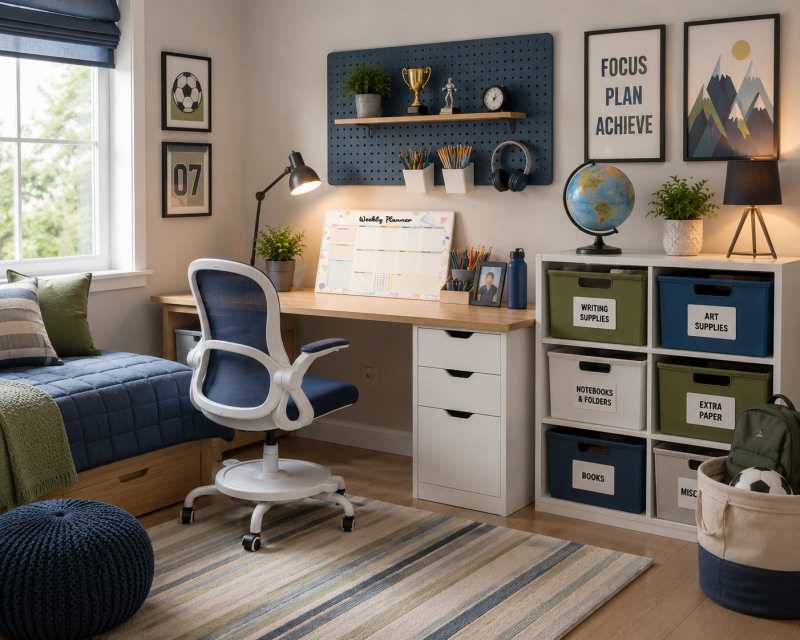
Organization works best when every item has a designated place.
You might have one container for writing supplies, another for art materials and a separate space for notebooks and folders. If your child knows exactly where something belongs, cleaning up becomes much easier.
7. Make It Feel Like Their Space

A homework station shouldn't feel like a miniature office. Let your child choose a few things they genuinely like.
A colorful notebook, favorite pencil holder, small piece of artwork, or fun storage container can make the space feel more personal without creating too much visual clutter.
8. Keep Distractions Under Control

If possible, keep toys, gaming devices and unrelated electronics away from the immediate workspace. This doesn't mean the area has to feel strict—just make it easier for your child to focus.
For older kids who need a computer or tablet for school, establish a simple routine for when those devices are used for homework versus entertainment.
9. Create a Homework Routine

The space itself is only part of the solution. A consistent routine can make it easier for children to transition from school or playtime into homework.
For example, they might have a snack, take a short break, sit at their homework station, check their planner and begin with the first assignment.
Over time, the routine can become familiar enough that less reminding is needed.
10. Make Cleanup Part of Homework
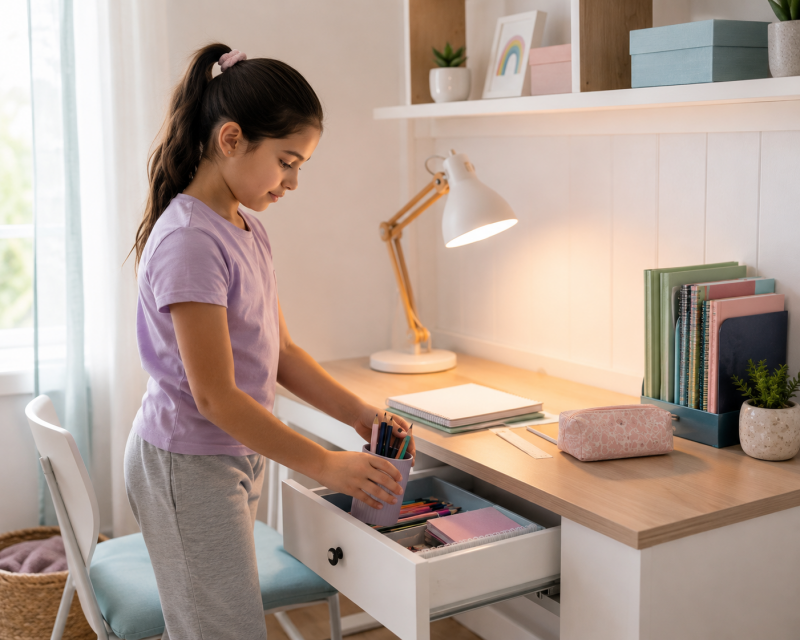
Teach kids that the homework routine doesn't end when the last question is finished.
Spend a few minutes putting pencils back, throwing away scraps, organizing completed work and preparing the space for the next day. This small habit can prevent the station from becoming cluttered and overwhelming.
The Goal: A Space They Can Actually Maintain
The perfect homework station isn't necessarily the most stylish or expensive one. It's a space that is comfortable, practical, easy to organize, and simple enough for your child to maintain.
Start with the basics—a desk or table, comfortable chair, good lighting, essential supplies, and a homework planner. Then adjust the setup based on what your child actually uses. A practical station that fits their routine will always be more useful than a beautiful setup they never want to sit at.
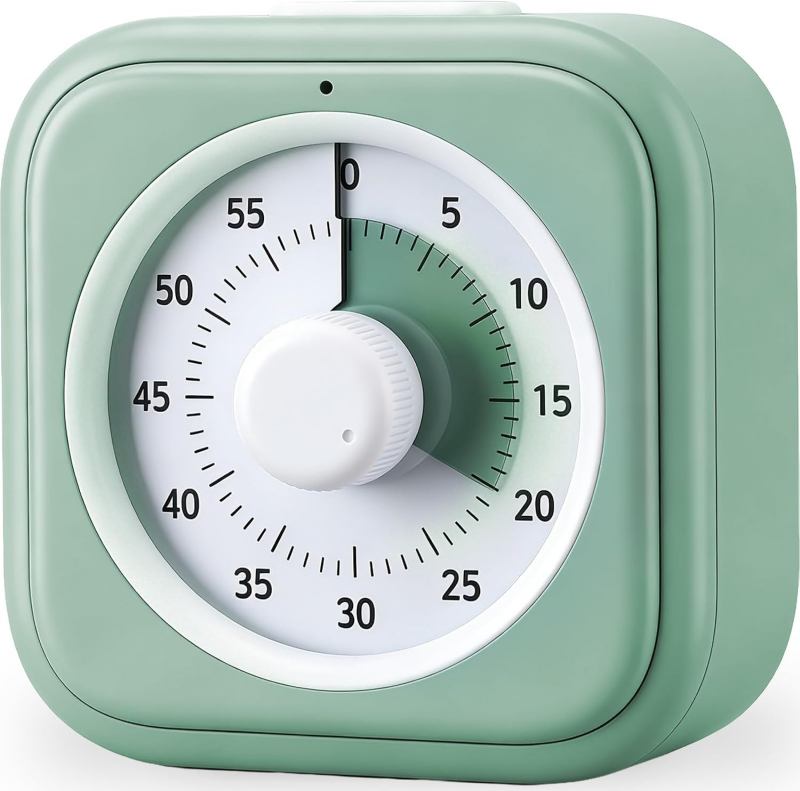
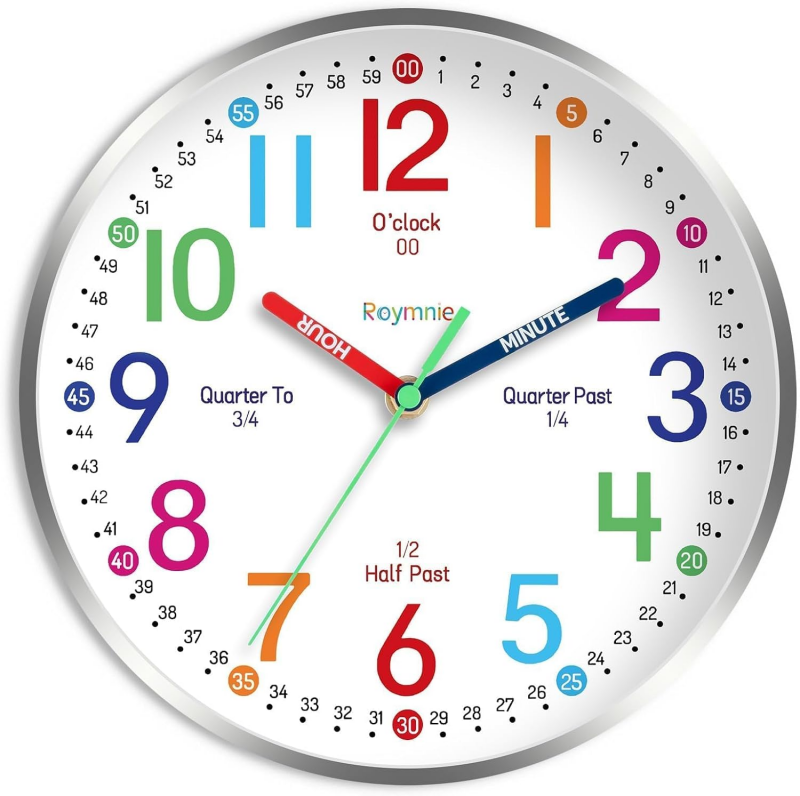
Some of Amazon's Best Finds for Kids
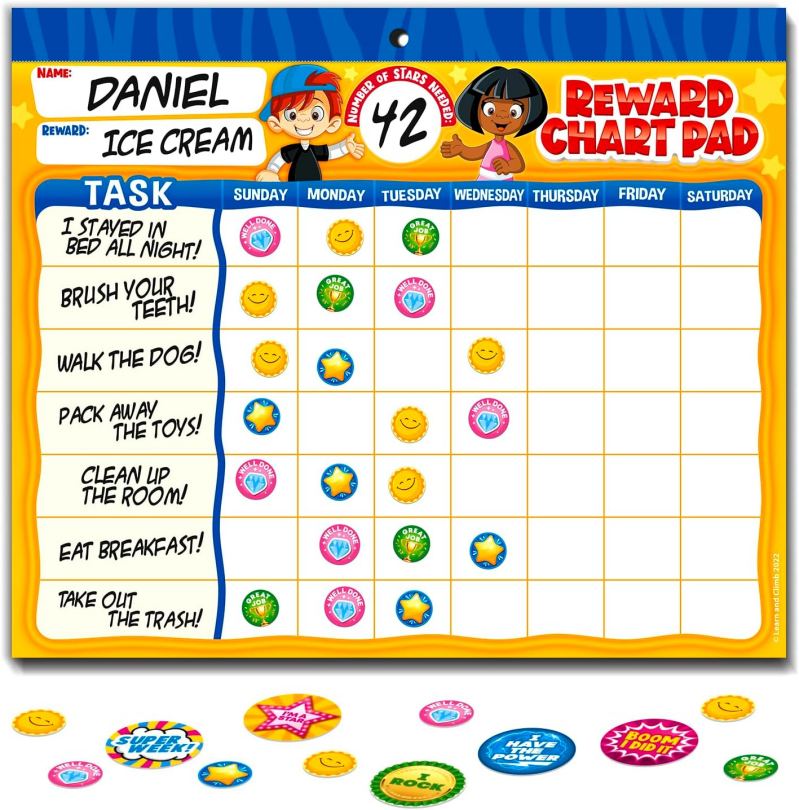
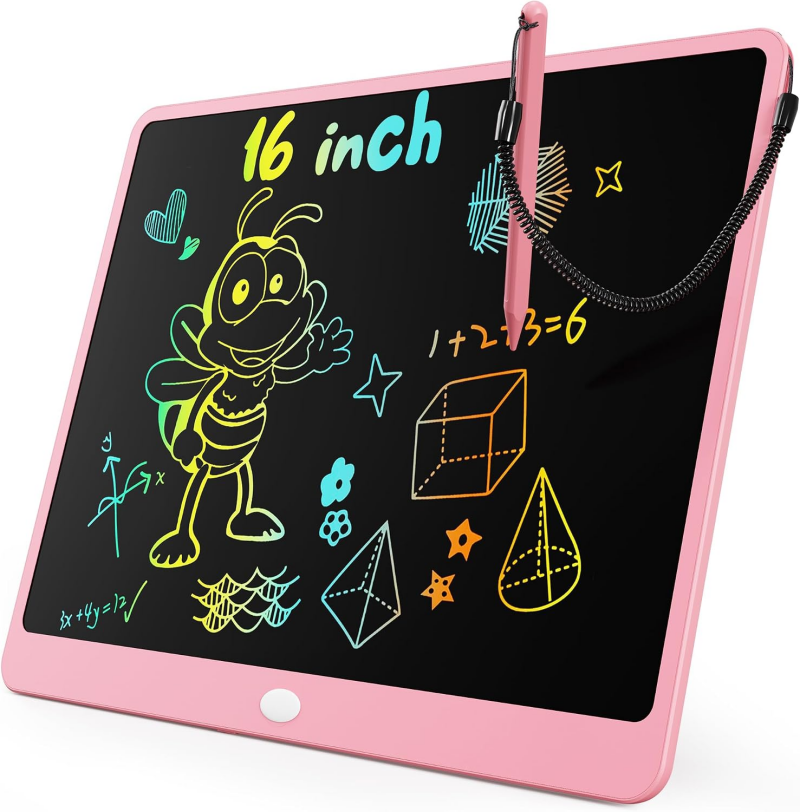
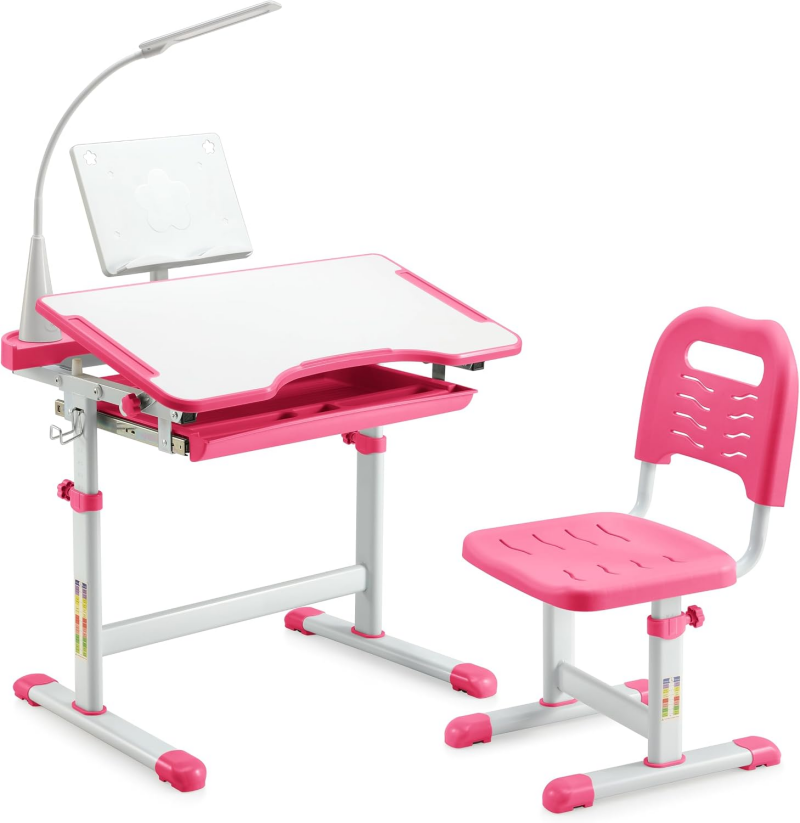
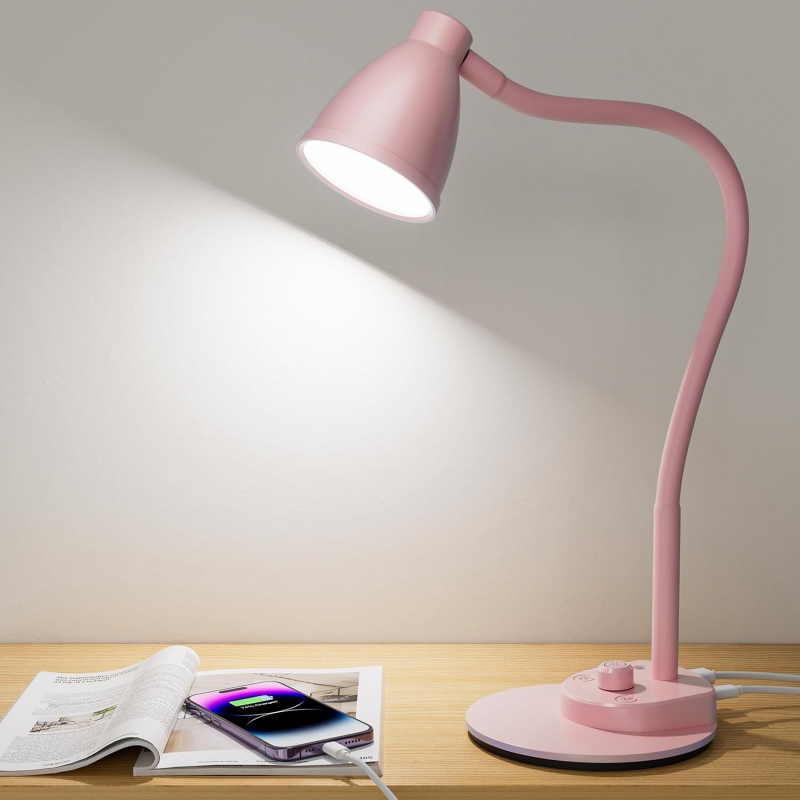



Keywords: homework station for kids, kids homework station, homework space for kids, homework area ideas, kids study space, kids study area, homework desk ideas, kids desk setup, homework station ideas, study station for kids, kids learning space, home study area, kids room study ideas, homework organization, kids desk organization, study desk organization, homework routine for kids, kids homework routine, after school routine, homework routine ideas, organized homework space, productive study space, kids school organization, back to school organization, school supplies organization, kids learning corner, educational kids room, study nook for kids, small homework station, homework corner ideas, kids room organization, child study area, kids workspace ideas, homework setup for kids, family organization
Add comment
Comments